iiTECH Case Study: Lymphatic Filariasis Sensor
Lymphatic Filariasis sensor: enabling early detection of a life-changing hidden infection
iiCON’s Infection Innovation Technology Laboratory: iiTECH is developing a transdermal Microwave sensor for the detection of lymphatic filariasis, in partnership with Liverpool John Moores University and AIIMS Patna India. The project is being funded by the Gates Foundation.
Over 657 million people in 39 countries worldwide remain threatened by this condition and require preventive chemotherapy to stop the spread of this parasitic infection.
Lymphatic filariasis impairs the lymphatic system and can lead to the abnormal enlargement of body parts, causing pain, severe disability and social stigma. The majority of infections are asymptomatic, showing no external signs of infection while contributing to the transmission of the parasite. These asymptomatic infections still cause damage to the lymphatic system and the kidneys and alter the body’s immune system, so early diagnosis is critical to prevent transmission.
An innovative transdermal sensor for the detection of lymphatic filariasis is being developed as part of a collaborative project between iiTECH, LJMU , and AIIMS Patna India, and is being funded by the Gates Foundation.
The sensor prototype has undergone successful testing for detecting infused Bmmf (Brugia malayi microfilariae) in a microfilaraemic mouse model.
A subsequent iteration utilising machine learning has yielded a preliminary hardware prototype incorporating a bluetooth transmitter for cable-free wearability and remote data acquisition.
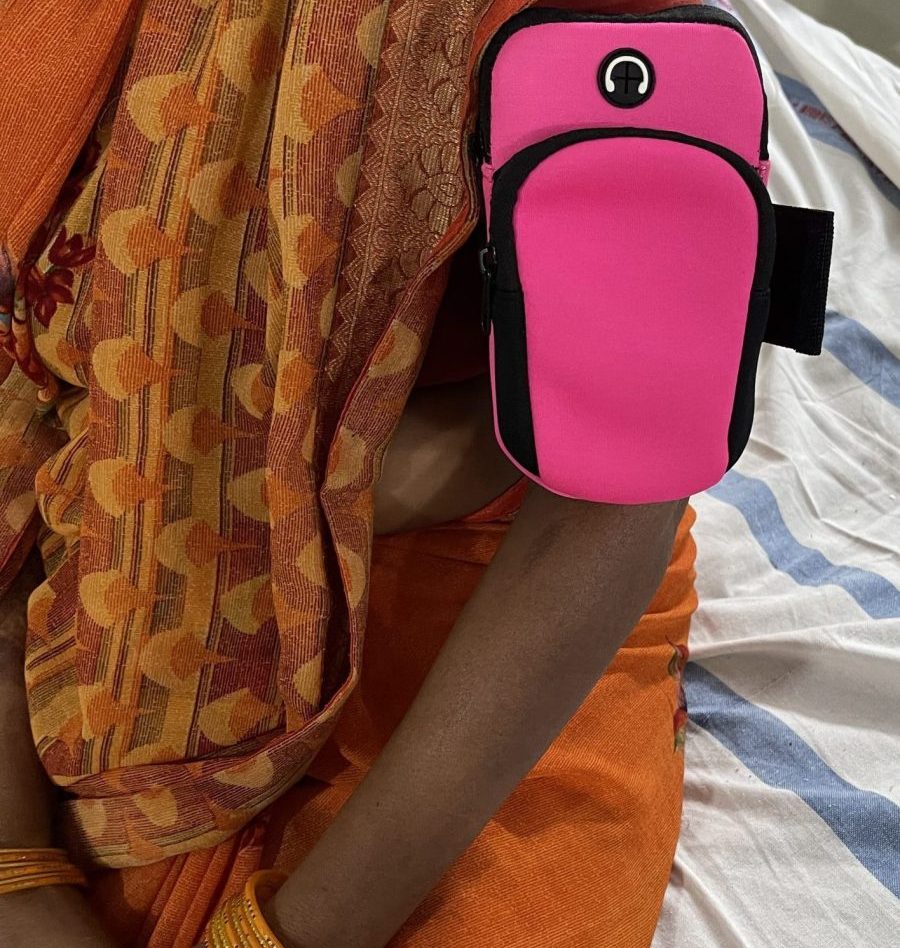
Utilising machine learning, the iiTECH team has built on the initial prototype to develop a wearable sensor device which is cable-free and uses a
Bluetooth transmitter that allows remote data acquisition – creating a more comfortable user experience and providing testing teams with more flexibility. The original prototype design has been trialled on 96 participants within a local community in India in collaboration with AIIMS Patna. The team will focus on the miniaturisation of the wearable prototype and the implementation of larger-scale clinical studies to further advance and refine the technology.