- Find our latest Case Studies
- Our Platforms
Our Platforms
- Platform 1: Bioactives Library – Shaping novel antimicrobial products
- Platform 2: Hits to Leads – Developing new innovative antibiotics
- Platform 3: Organoid modelling – Enhancing drug discovery
- Platform 4: Advanced AMR Modelling
- Platform 5: Human Challenge – Small scale clinical trials
- Platform 6: Diagnostics
- Platform 7: Randomised Control Trials
- Platform 8: Mapping and Modelling
- Platform 9: Nanotherapeutics
- Platform 10: Antibody Humanisation
- Platform 11: Long-Acting Therapeutics

Liverpool Robotic Infection Research Laboratory
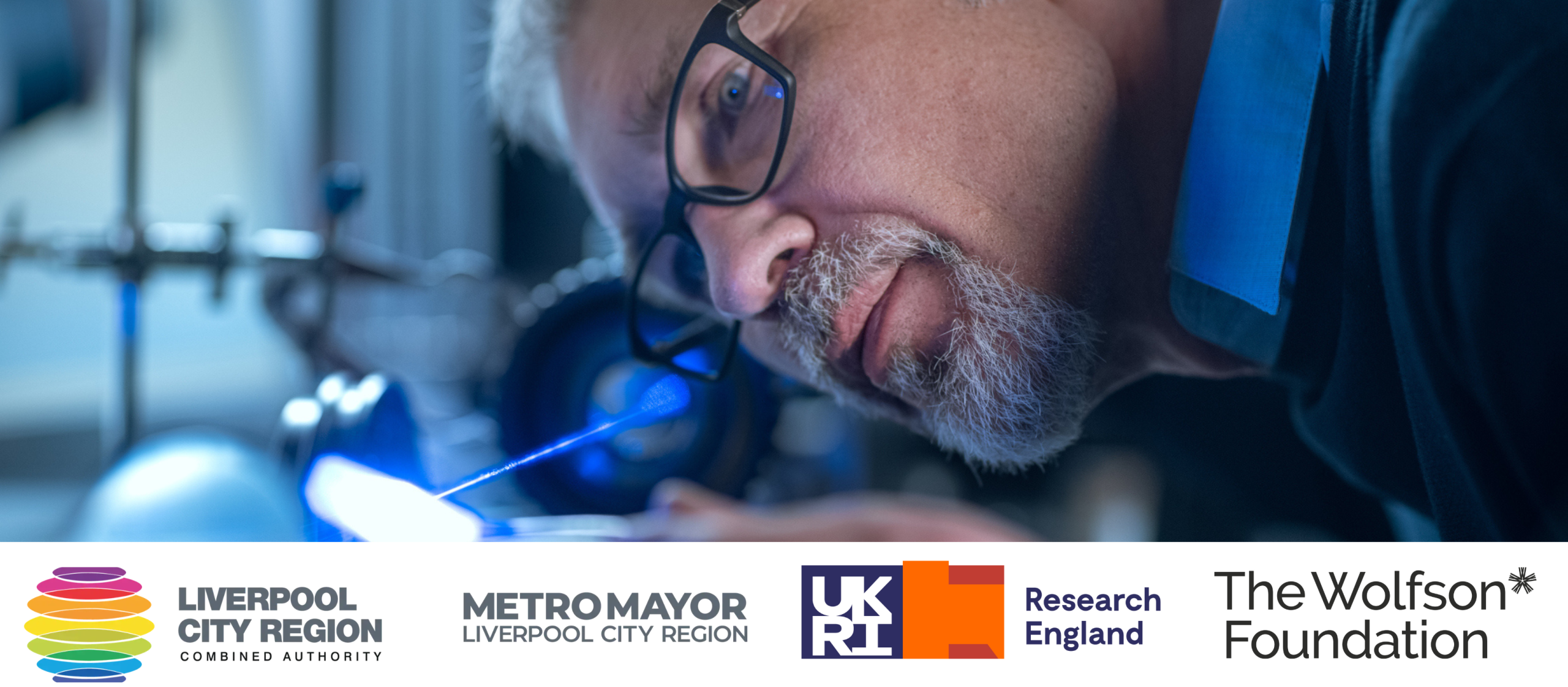
Designed to super-charge pioneering infection R&D, the Liverpool Robotic Infection Research Laboratory is the first Category Three Level Robotic Laboratory in the UK.
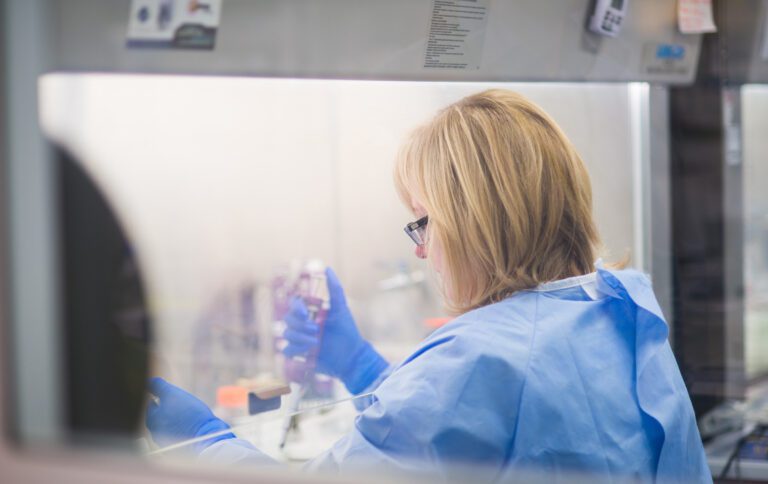
Equipped with liquid handling, robotic systems and analytical equipment, this world-leading facility provides industry and academic collaborators with the containment and research capabilities to safely tackle high-risk global infectious diseases.
Located at the Liverpool School of Tropical Medicine and delivered by iiCON and LSTM, the laboratory facilities enable innovative translational research and development of new vaccines, drugs and diagnostics – bolstering UK biosecurity and pandemic preparedness.
Building on global expertise in organoids research, the laboratory will house iiCON’s pioneering Organoids Platform and its Bioactives Library, enabling innovative human organoid research, studying infection dynamics, and accelerating the discovery of transformative antimicrobial therapies.
“Robotic labs might sound like something out of science fiction, but this is very much science fact – and a massive vote of confidence in our region’s position as a global leader in health innovation. This investment will build on that legacy, helping to fast-track life-saving treatments while attracting new businesses, creating high-quality jobs, and keeping our brightest minds here in the Liverpool City Region.”
Liverpool City Region Mayor, Steve Rotheram

Responding to global bio-threats
In a world increasingly vulnerable to biological threats, having the right infrastructure in place to safely research dangerous pathogens and proactively develop new treatments and diagnostics is critical.
Designed to harness advanced robotics, AI-driven data analytics, and high-throughput screening systems in a secure, High Containment Level 3 environment, the pioneering facility is set to open fully in 2027.
The labs will be among the first in the UK to integrate robotics and AI-driven workflows into a lab capable of handling Schedule Five pathogens
Equipped with automated tools for liquid handling, incubation, and collaborative robotics, the facility will enable high-throughput organoid generation and precise manipulation of sensitive biological samples. This will facilitate rapid and accurate testing of new anti-infectives, ensuring the safe and effective development of treatments for some of the world’s most dangerous pathogens.
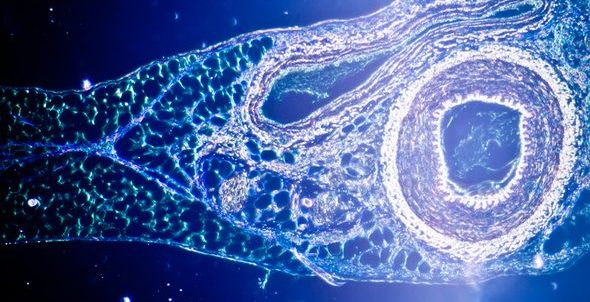
What is organoid modelling?
Organoid technology; miniature, lab-grown tissue models that mimic human organ functions, holds significant promise for reducing vaccine development timelines by providing more predictive preclinical models for human responses.
Organoid models are human cells which have been grown into miniature organs which respond as they would in a body. These innovative models are more indicative of the impact a drug will have on a human than tests based on animals – providing more reliable, humane, and accurate data for researchers testing new drugs or vaccines.
This project builds on many years of pioneering research to develop infection organoid models which allow the effect of a drug or vaccine to be studied. There has been a significant investment to automate the development of these organoid models which means the process is quicker and more reproducible.

Saving Lives & Driving Investment
LSTM is already home to the largest concentration of Containment Level 3 laboratories in the North West, which played a key role in the rapid response to the COVID-19 pandemic.
The new facility will support the next phase of iiCON’s development, bolstering the infection innovation ecosystem between industry, academia, and the NHS to enhance the discovery and route to market for products that tackle infectious disease. The facilities will enable closer collaborations with industry and potentially speed up regulatory approval for new treatments.
The £20 million facility funded by a £10 million investment from Liverpool City Region Combined Authority, alongside funding from Research England’s Expanding Excellence in England E3 fund, and The Wolfson Foundation, will accelerate the preclinical development of new therapeutics, vaccines, and diagnostics using organoid technology; reinforcing the UK’s global leadership in health innovation.
As well as saving lives, the robotic laboratories are forecast to generate £40m of investment in the first three years – creating well-paid jobs and driving research.